
The quiet luxury of a three-hour dinner
Fast service feels efficient. Slow service feels expensive. A short essay on why the best private dinners are paced, not rushed.

There's a particular feeling at the end of a well-paced dinner. The candles have burned down a third. The plates are clean. Nobody has looked at their watch. The room has, without anybody noticing, slowed down to the pace of the food.
◆Time is the most expensive ingredient
A fast service is easy. A slow service is hard. It means our team has to read the room — when to pour, when to clear, when to leave a table alone. It means each course has to be timed to the conversation, not the kitchen.
“The first sign of a good dinner is when the second course arrives ten minutes later than you expected, and you didn't notice.”
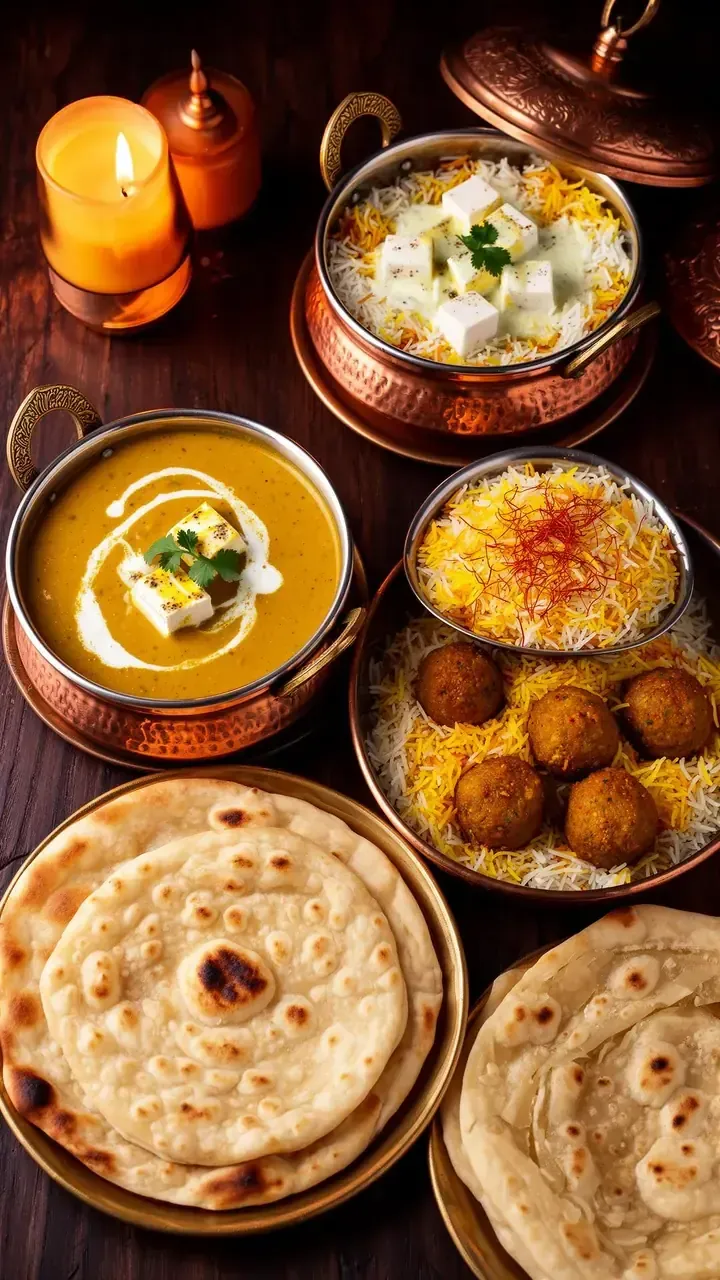
See the full Curries, Rice & Breads menu
Course by course →◆What it looks like in practice
Three to five courses, 25–40 minutes between them, no rush on dessert. A captain assigned to read the room. A pastry course finished tableside. Coffee not poured until somebody asks. Small things. The whole evening adds up.